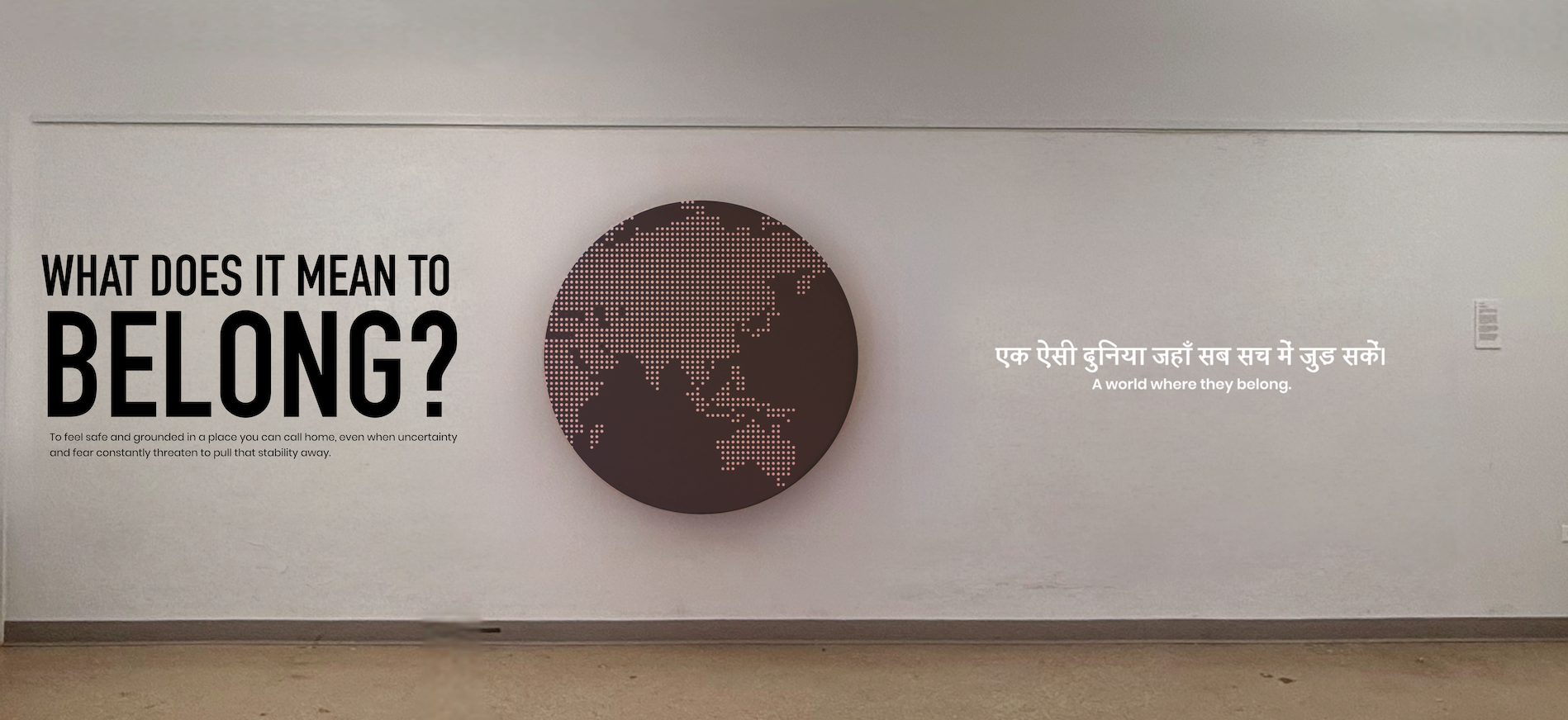
BELONG?
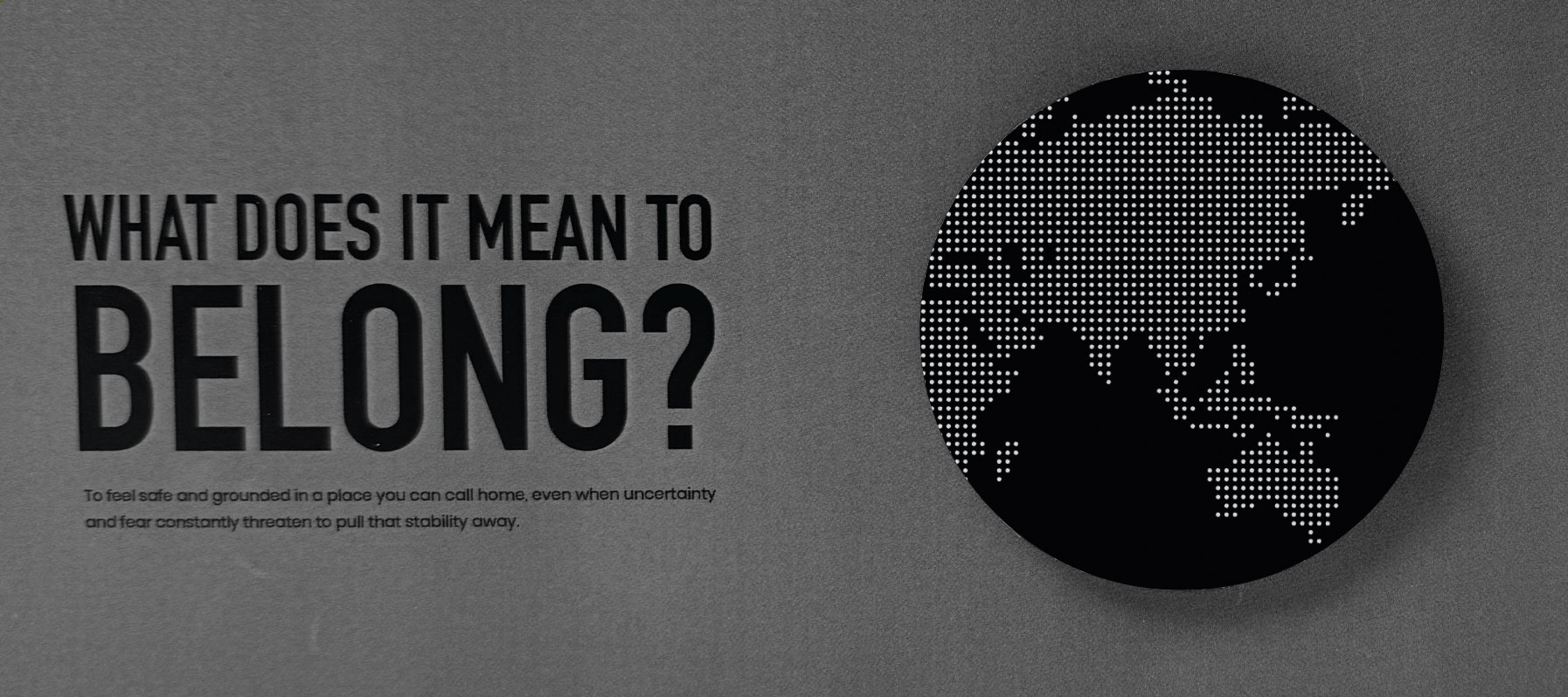
WHAT DOES IT MEAN TO
To feel safe and grounded in a place you can call home, even when uncertainty and fear constantly threaten to pull that stability away
Belonging
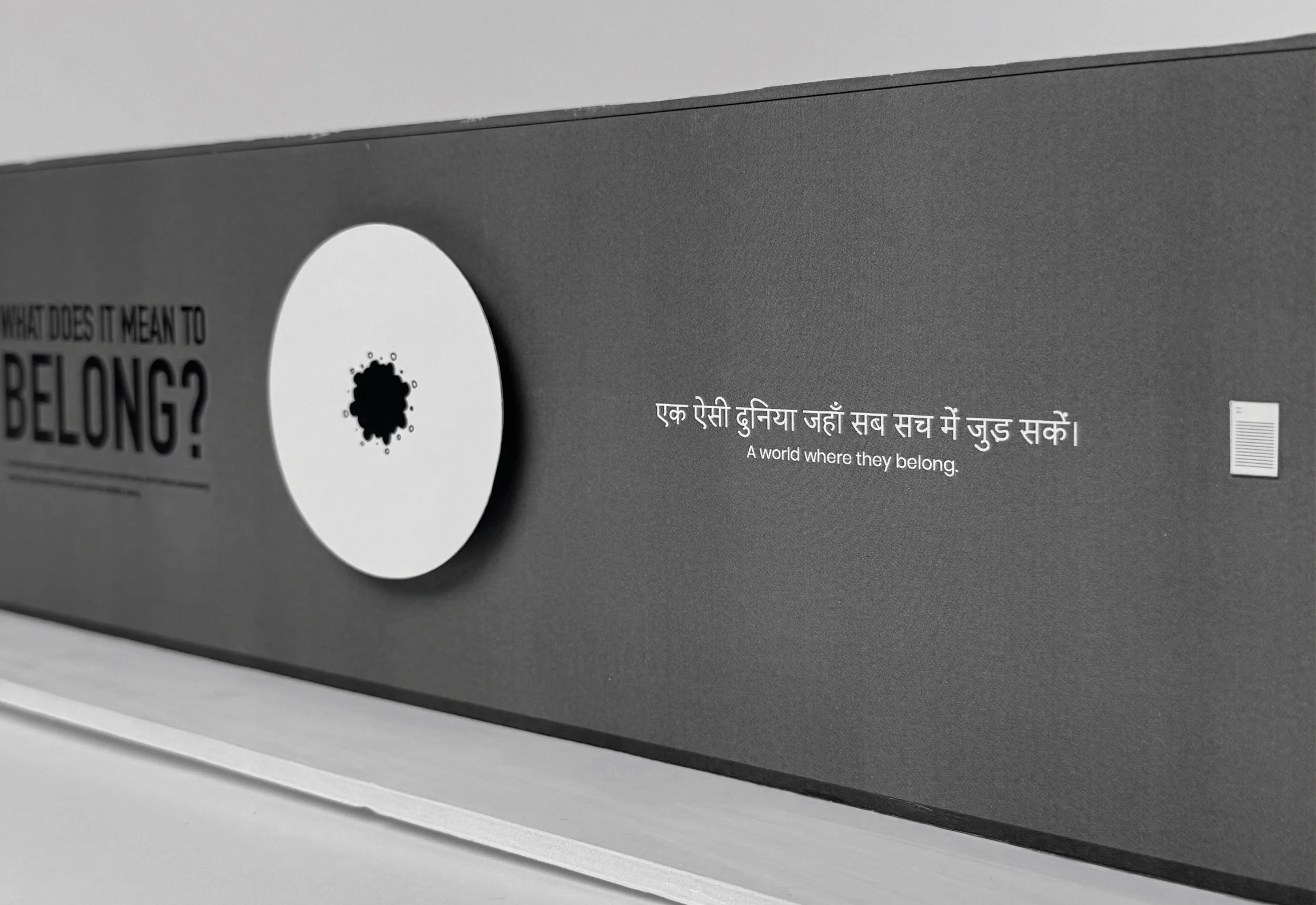
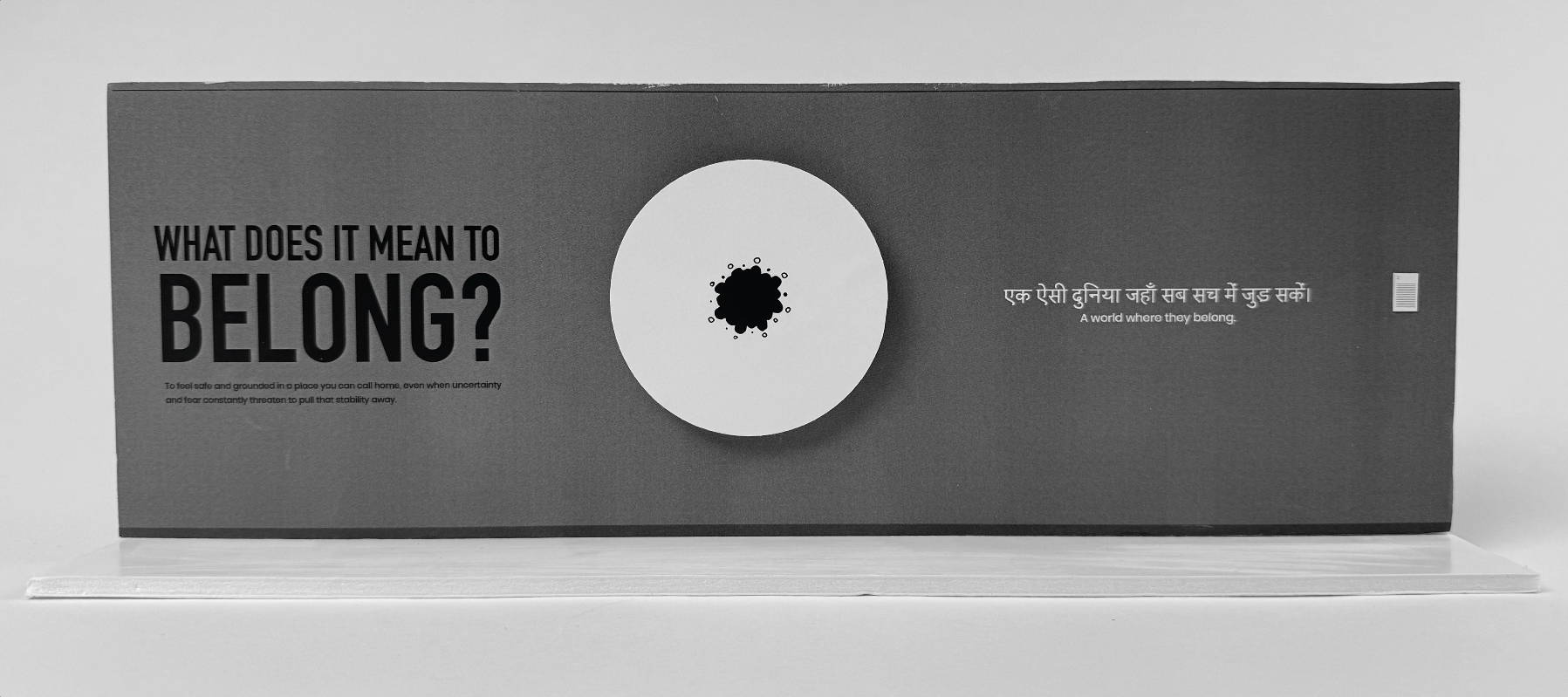
This thesis addresses a simple yet heavy question: What does it really mean to belong? Instead of treating belonging as something stable or guaranteed, this project shows how fragile it can be, especially for people living through constant uncertainty. At the center of the project is a wobbling circle, which represents a person going through emotional highs and lows in life. The circle carries the feelings many individuals deal with every day: fear, anxiety, hope, and confusion. It reflects what it feels like to live with a question always in the back of your mind: could I be next?
For many immigrant communities, this question is real. With ongoing deportations and people being taken to detention centers, there is a constant sense of unpredictable situations. Even in a place that once felt like a fresh start, that sense of safety can disappear quickly. This project focuses on that emotional reality—the quiet but persistent fear of being taken away, and the mental toll it creates.
The work explores how these larger systems and policies, even when they feel distant or out of sight, directly shape everyday life. They affect how people move, think, and feel. They impact relationships, routines, and the way someone sees their future. This project tries to bring those invisible pressures into view, not through facts or data, but through emotion and experience.
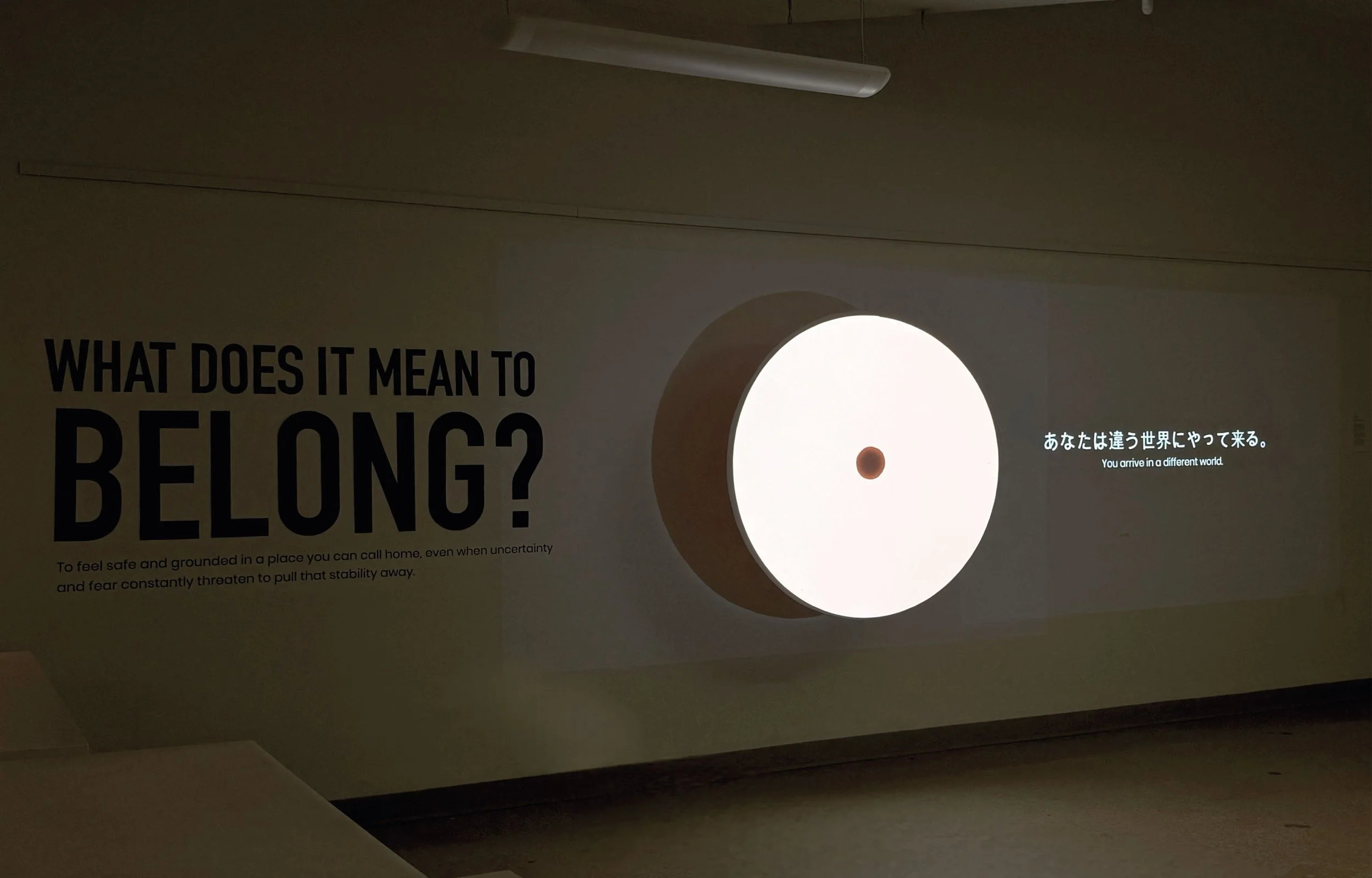
The outcome is a minimal animation supported by narration. The movement of the circle becomes the main storytelling element, showing shifts between control and chaos, calm and panic. It mirrors the emotional rollercoaster people go through when living with uncertainty. The pacing is slow and intentional, giving space to sit with these feelings rather than rushing past them.
Visually, the approach stays simple. There are no distractions, just basic forms and movement that guide attention. The narration doesn’t over-explain but adds another layer of meaning, helping the viewer connect more deeply. Together, the visuals and voice create something that feels quiet but intense.
The language used throughout is straightforward and human. It avoids complicated terms and focuses on being clear and relatable. This makes the work more accessible and allows people to connect to it without needing background knowledge. The goal is to build empathy, not overwhelm.
This project comes from noticing how often these experiences are reduced to headlines or statistics. Conversations around immigration tend to focus on numbers or laws, but that often removes the human side of the story. This work shifts that focus back to individuals—their emotions, their fears, and their search for stability.
Rather than offering answers, the project creates a space to reflect. It asks viewers to think about what it means to feel safe, and what happens when that feeling is constantly at risk. It brings attention to the emotional weight of living between hope and fear.
At its core, this is about the need to feel secure and to belong, while carrying the uncertainty of not knowing how long that feeling will last.




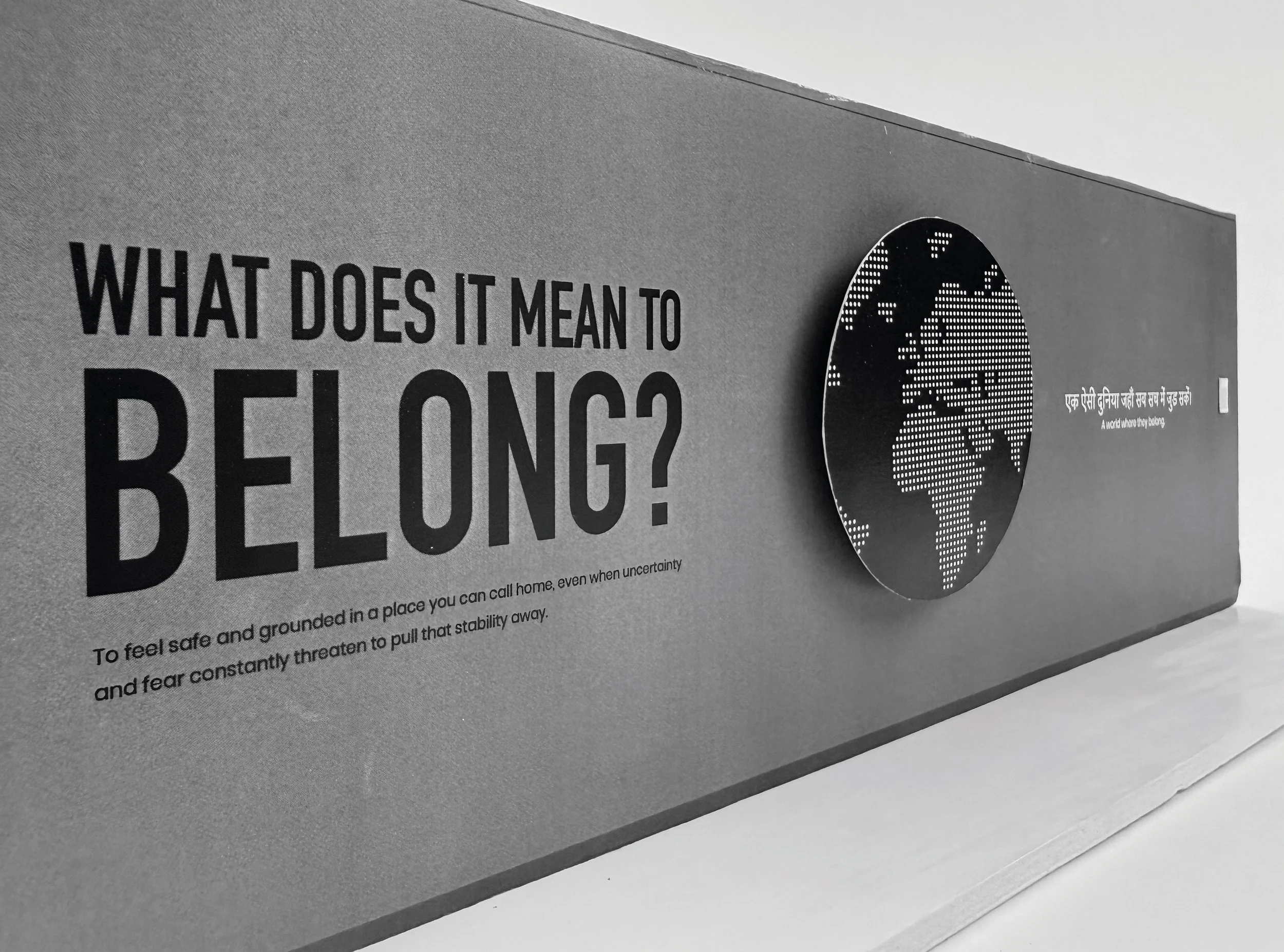
Exhibition Setup
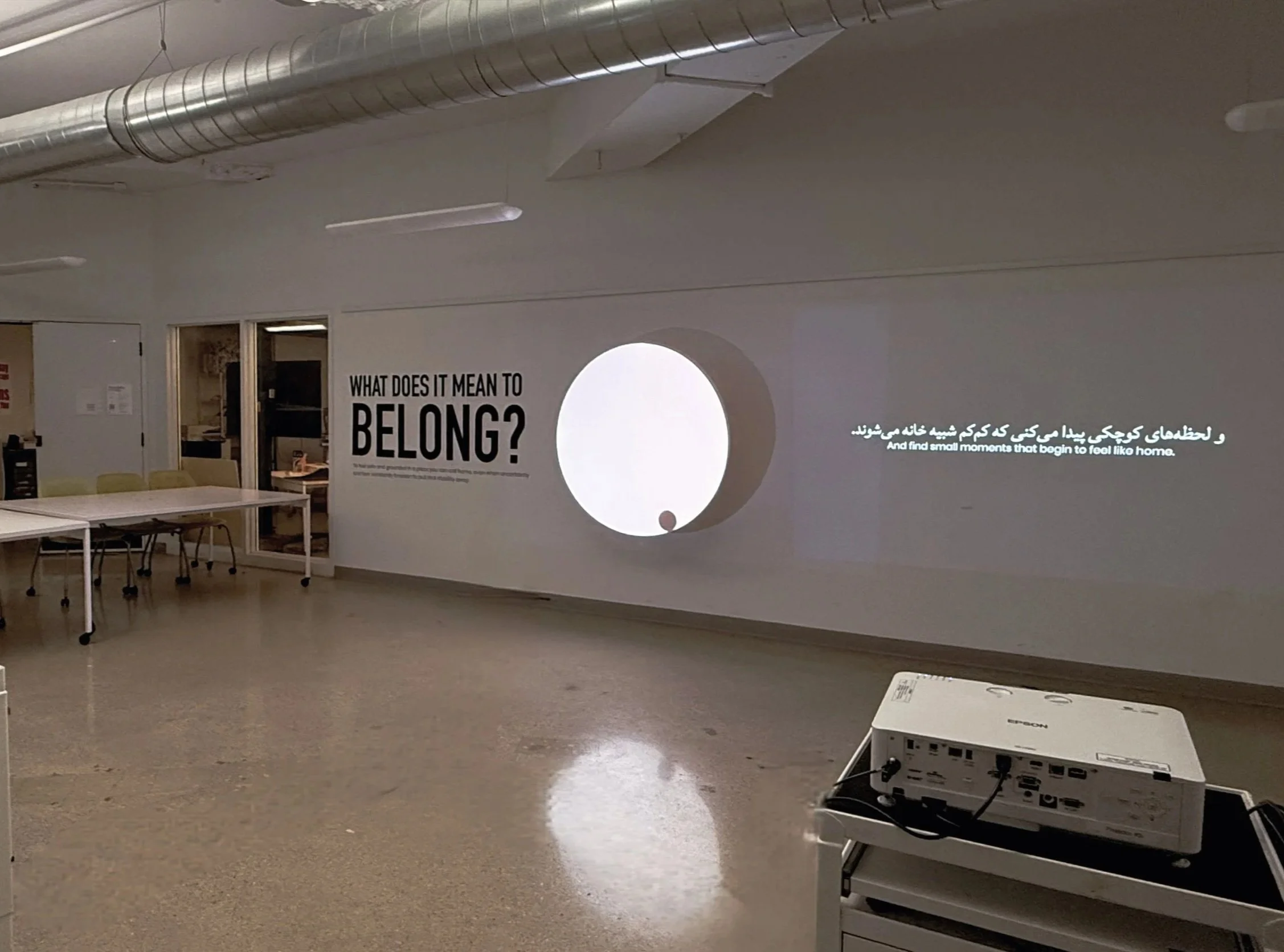
Miniature Display